Kissimmee Home Staging Tips to Sell Faster in 2026
Monica Mendivil · September 4, 2026
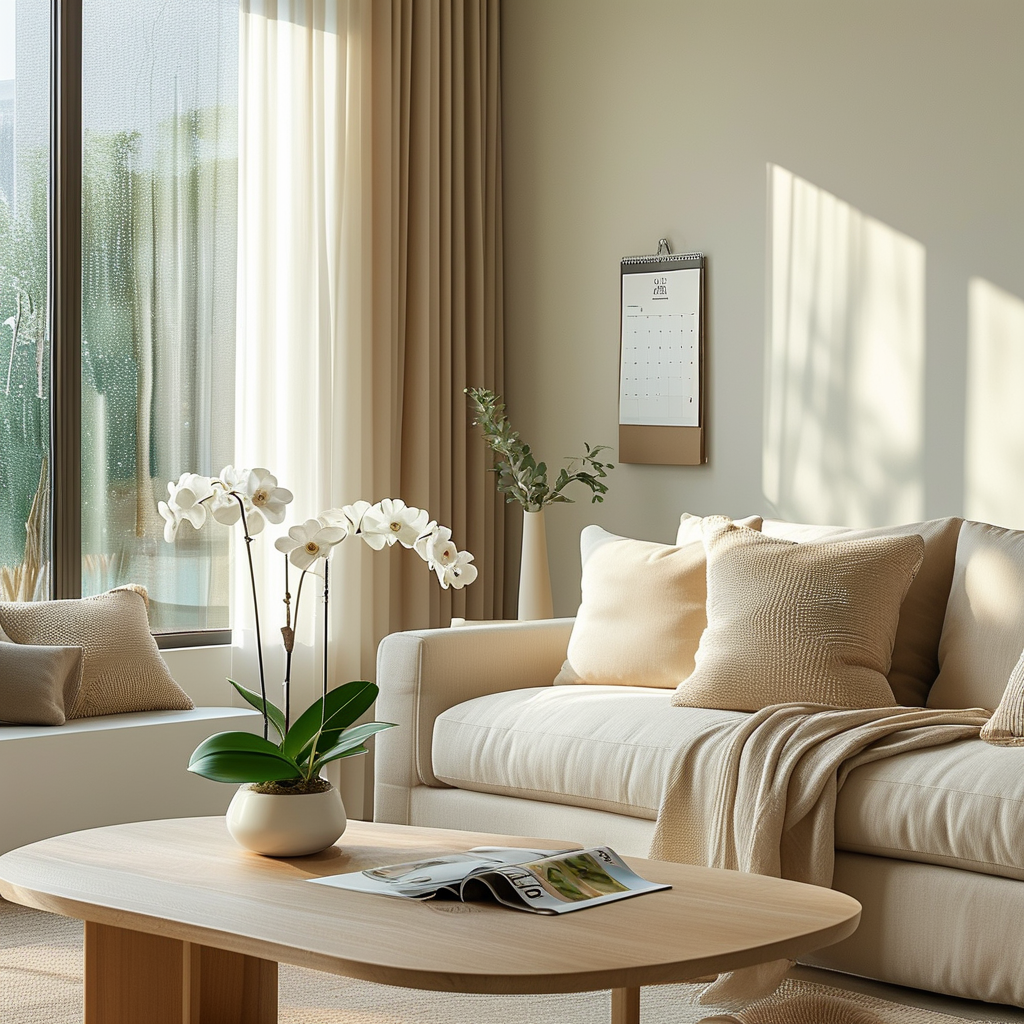
Kissimmee Home Staging Tips to Sell Faster in 2026
The Central Florida real estate market continues to evolve, and Kissimmee remains one of the most dynamic areas for home sellers. With its proximity to world-famous attractions, a growing roster of gated communities, and an influx of out-of-state buyers seeking both primary residences and investment properties, the competition among sellers is fierce. As we look ahead to 2026, the buyers who will walk through your front door will be more discerning, more digitally-informed, and more experience-driven than ever before. They are not just looking for a house; they are looking for a lifestyle that matches the images they have seen online, the stories they have heard from neighbors, and the promise of effortless Florida living.
At Sunshine Premium Properties, we have guided countless sellers through the Kissimmee market, from the tranquil neighborhoods near Shingle Creek to the vibrant, resort-style communities along the US-192 corridor. One truth remains constant: staging is not an optional luxury. It is a strategic necessity. The right staging does not just make a home look pretty; it communicates value, maximizes perceived space, reduces the time on market, and often leads to more favorable offers. This comprehensive guide is designed to equip you with professional, actionable staging insights for 2026, tailored specifically to the unique characteristics of Kissimmee properties.
Whether you are selling a cozy townhome in a rental-friendly community, a spacious single-family home near the attractions, or a luxury estate in a gated enclave, these tips will help you create an environment where buyers can emotionally connect and see themselves living. Let us walk through the essential staging strategies that will make your Kissimmee listing stand out in the new year.
Why Staging Matters More in Kissimmee Than Almost Anywhere Else
Before diving into the "how," it is critical to understand the "why" behind staging in this specific market. Kissimmee is not a typical suburban market. It is a global destination. Your potential buyer could be a young family from Chicago, a retiree from the Pacific Northwest, or an international investor looking for a short-term rental property. Each of these buyer personas has different expectations, yet they all share a common behavior: they compare your home against others within minutes of entering, and they have already formed a strong opinion based on the property photos they saw on their screen.
Staging bridges the gap between a physical structure and an emotional aspiration. In 2026, virtual tours and high-definition photography will continue to be the first point of contact. A staged home photographs better. It creates visual depth, guides the eye toward architectural features, and eliminates the distractions of personal clutter. Moreover, in a market where many homes are purchased sight-unseen or after a single walkthrough, the staged environment serves as your silent salesperson. It tells the buyer that this property has been cared for, that it is move-in ready, and that the seller is serious about presenting a premium product.
For those looking at selling a home in Kissimmee, the return on investment for staging is measurable. Professionally staged homes often sell in a fraction of the time compared to vacant or cluttered listings. In a market where carrying costs, HOA fees, and property taxes can add up quickly, every day on the market counts. Staging is the most efficient way to compress your selling timeline.
Understanding the 2026 Kissimmee Buyer Profile
To stage effectively, you must know precisely who you are staging for. The 2026 Kissimmee buyer is likely one of three distinct profiles. The first is the vacation home seeker, who wants a lock-and-leave property near Disney, with resort-style amenities and durable, easy-to-clean finishes. The second is the long-term resident, often working in hospitality, healthcare, or remote tech, who values proximity to schools, parks, and the Turnpike for commuting. The third is the short-term rental investor, who analyzes every square foot for revenue potential and guest appeal.
Your staging strategy might need to appeal to a combination of these profiles. For instance, if your Kissimmee home is in a community that allows short-term rentals, staging should reflect durability and neutral taste that appeals to the widest possible audience of renters. If you are in a more residential neighborhood like Kissimmee's historic district, the staging should lean toward family warmth and functional living spaces. The best approach is a balanced, neutral yet inviting aesthetic that does not alienate any buyer segment.
In 2026, we also see a heightened awareness of sustainability and health. Buyers are asking about low-VOC paints, water filtration, and energy efficiency. Your staging should highlight these features if you have them. If not, use natural textures, indoor plants, and ample natural light to create a fresh, clean atmosphere that suggests a healthy home environment.
Decluttering: The Non-Negotiable First Step
You cannot successfully stage a home that is overloaded with personal belongings. Decluttering is the foundation upon which all other staging efforts are built. In Kissimmee, many homes are furnished with heavy, dark furniture pieces suited to colder climates. These must be removed or minimized. The goal is to create a sense of openness and flow, not to showcase your personal collections, family photos, or travel souvenirs.
Start with a room-by-room audit. Remove items that you use daily but do not need visible. Clear kitchen counters completely except for a few decorative accessories like a wooden cutting board or a small vase with fresh greenery. In bathrooms, remove all personal hygiene products, leaving only rolled towels and a single, elegant soap dispenser. Closets must be edited ruthlessly. Buyers open closet doors, and an overstuffed closet signals a lack of storage space. Keep only 50 percent of your clothing in each closet to demonstrate spaciousness.
Pay special attention to the garage and outdoor areas. In Florida, many buyers have boats, RVs, or extra vehicles, so a clean, organized garage is a massive selling point. Remove all tools, boxes, and clutter from the garage floor. If you have storage shelves, make sure they are neatly organized with clear bins. The porch and lanai should be swept, and any cobwebs removed from the eaves. A tired, cluttered exterior undermines the positive impression created by a pristine interior.
Neutralizing the Palette for Broad Appeal
While bold accent walls and vibrant colors might reflect your personality, they can be a major stumbling block for potential buyers. The 2026 staging trend continues to favor warm neutral tones, but with a distinct shift away from stark gray and toward creamy beiges, soft greiges, and subtle warm taupe. These colors evoke the gentle Florida sunlight and pair beautifully with natural wood tones and white trim.
Do not forget the exterior. The entry door should be freshly painted in a color that complements the façade, perhaps a deep navy, a rich olive green, or a classic black. These colors photograph well and add a touch of sophistication. The interior walls should be free of scuffs and marks. If repainting is necessary, focus on the main living areas, hallways, and the primary suite. Those are the spaces buyers remember most.
Neutral does not mean boring. Texture is your best friend. Introduce variation through area rugs, throw pillows, and upholstery materials. A linen sofa, a jute rug, and cotton curtains can make a neutral room feel layered and expensive. In Kissimmee, where indoor-outdoor living is paramount, consider using materials like rattan, bamboo, and light oak to nod to the tropical climate. This creates a cohesive aesthetic that feels both current and timeless.
Maximizing Natural Light and Airflow
Florida is famous for its sunshine, and your staging should capitalize on this natural asset. Dark, heavy window treatments block out the very thing buyers are seeking: light and brightness. Remove heavy drapes and replace them with sheer, light-filtering curtains or clean, white plantation shutters. Blinds should be fully open during all showings and photography sessions. If any windows have cloudy seals or obstructed views, address those issues prior to listing.
Mirrors are staging geniuses. Strategically placing large mirrors opposite windows can double the perception of light and space. Consider leaning a floor mirror against a wall in a dim hallway or placing a large round mirror above a console table in the entryway. This is an inexpensive trick that yields remarkable results in small condos or townhomes common in Kissimmee's rental-friendly communities.
Airflow is equally important, especially during the warm months. Before any showing, turn on ceiling fans to create a gentle breeze. Ensure your HVAC system is running efficiently, and consider using a high-quality air purifier to remove any pet or cooking odors. Buyers should walk into a home that smells like fresh linens and subtle citrus, not heavy synthetic air fresheners. A bowl of fresh oranges or a sprig of eucalyptus in the entryway provides a subtle, Floridian scent profile.
Furniture Arrangement: Creating Purposeful Zones
One of the most common staging mistakes is arranging furniture against all walls, which leaves a sea of empty space in the center of the room and creates a cold, uninviting atmosphere. In 2026, the trend is toward intimate, conversational groupings. In the living room, create a central seating area with sofas facing each other or angled toward a focal point, such as a fireplace or a beautiful view of the conservation area.
Scale is critical. Oversized, bulky sectional sofas can overwhelm a standard Florida great room. If your furniture is too large, consider renting or borrowing smaller pieces. Conversely, a small loveseat lost in a massive great room makes the space feel empty and cavernous. The goal is to show the potential for each room while maintaining comfortable pathways. Aim for at least 18 inches of clearance between the coffee table and the sofa for easy movement.
Each room must have a clearly defined purpose. A spare bedroom should not be a cluttered office or storage area. Stage it either as a cozy guest bedroom with a neatly made bed and a reading chair, or as a dedicated home office if that appeals more to your target demographic. In Kissimmee, where many properties are purchased as vacation rentals, staging a third bedroom as a flexible "game room" or "family bunk room" can be highly attractive. Show the buyer how the space can be utilized for maximum enjoyment.
The Primary Suite: Selling the Retreat Experience
The master bedroom is the sanctuary of the home, and it requires special staging attention. The bed itself should be the star of the show. Invest in quality neutral linens, plush pillows, and a stylish duvet. Layer textures with a lightweight throw blanket at the foot of the bed. The bed should be made with hospital corners, and pillows should be fluffed and arranged in a welcoming, not clinical, manner.
Remove all personal items from nightstands. A single table lamp, a small glass dish with no contents, and perhaps one hardcover book on design or travel are sufficient. The closet in the primary suite should be meticulously organized. Use matching hangers, and group clothing by color. This creates a high-end, boutique hotel feel. If you own a luxury property, it is worth highlighting the walk-in closet with a central island or a styled bench, as buyers often consider closet space a top priority.
For homes with a primary bathroom that is separate, ensure that the shower glass is spotless and free of water spots. Remove all rugs from the bathroom floor if they look worn or dated. Instead, opt for a clean, fluffy bath mat. Place a single, freshly rolled towel on the counter and a green plant in the corner. These small details signal that the home has been maintained with precision.
Kitchens and Bathrooms: The Decision-Makers
Real estate professionals often say that kitchens and bathrooms sell homes. In Kissimmee's 2026 market, this is even more pronounced because many buyers are imagining cooking family meals or cleaning up after a long day at the theme parks. Your kitchen must look clean enough to eat off the floor, but also functional for a professional chef.
If your kitchen counters are made of granite or quartz, polish them until they gleam. Remove all appliances from the countertops, including toasters, coffeemakers, and blenders. The only exception is perhaps a high-end espresso machine if you are staging a luxury property, but even then, it should look pristine. The sink should be empty and polished. Add a small, attractive soap dispenser and a clean dish towel.
Open the cabinet doors? No, only open a few to show organization. The inside of cabinets should be decluttered and neatly arranged with matching or clear storage containers. This is not the time to hide clutter behind closed doors. Buyers will look. In the bathroom, replace any old caulk around the tub or shower. Clean or replace the showerhead. Remove any rust or hard water stains. This level of detail shows that the home has been cared for and will not require immediate repairs.
Outdoor Living Spaces: The Kissimmee Advantage
By 2026, outdoor living is no longer an afterthought, especially in Central Florida. Buyers are actively seeking homes with screened lanais, patio spaces, and outdoor kitchens. Your staging must extend beyond the four walls to include these valuable square footage areas. A bare, dusty patio looks like a liability. A staged patio with comfortable seating, a few potted plants, and soft outdoor lighting looks like an extension of the living room.
If you have a pool, the water must be crystal clear and the deck sparkling. Invest in new pool towels, place them neatly on a lounger, and consider adding a small outdoor side table for drinks. If you do not have a pool, focus on creating a shaded seating area where buyers can envision morning coffee or evening cocktails. Use weather-resistant materials like teak, aluminum, or all-weather wicker. Add string lights or a freestanding umbrella to create warmth and ambiance.
For properties within gated communities with resort amenities, as highlighted on our gated communities page, your staging should also show how the home connects to the outdoor lifestyle. Keep the path to the front door clear and welcoming. Place a pair of attractive potted plants on the porch. Ensure the house number is clearly visible and the entry light is clean and working. First impressions matter, and the exterior is your first chance to impress.
The Art of Curb Appeal Specific to 2026
Curb appeal is the opening chapter of your home's story. In Kissimmee, where many properties feature palm trees and tropical landscaping, you have a natural advantage. However, overgrown bushes and patchy grass can negate that advantage quickly. In 2026, the curb appeal trend is toward manicured yet sustainable landscaping. Replace high-water annuals with native drought-tolerant plants that showcase the Florida environment without requiring excessive maintenance.
Power wash the driveway, walkways, and siding. A clean exterior tells buyers that the roof and foundation are likely well-maintained. Trim all tree branches away from the roofline. Edge the lawn along the sidewalks and flower beds. Fresh mulch in the garden beds adds a polished look and a pleasant earthy fragrance. If your front door is looking tired, a fresh coat of paint in a satin finish is a worthwhile investment. Add new, modern house numbers and a stylish door knocker.
For properties near Disney and the attractions, consider that many arriving buyers are on vacation themselves. They may be staying at a nearby resort, so your home's exterior should rival that resort experience. Avoid any overly whimsical or themed decorations that could cheapen the appearance. Stick to elegant, timeless design that feels luxurious, not kitschy. For those interested in the vacation home market near Disney, the exterior must look effortless.
Strategies for Furnished vs. Vacant Homes
Some sellers choose to leave their furniture during the listing process, while others have already moved out. Both scenarios require different staging approaches. If your home is furnished, you have the advantage of scale and warmth, but you also carry the risk that your personal style will clash with the buyer's taste. The solution is to "depersonalize" by removing any items that are overly personal, such as family portraits in elaborate frames, religious artifacts, or collections that reflect a niche hobby. Replace these with generic art or mirrors.
If your home is vacant, you are facing a blank slate, but blank does not mean empty. A completely empty room feels cold and appears smaller. Rent a storage unit for a portion of your belongings and use professional or rental furniture to stage key rooms. Living rooms, the primary bedroom, and the kitchen are non-negotiable. A vacant dining room with no table forces the buyer to imagine shopping for furniture, which can be overwhelming.
Many sellers ask if they should stage a vacant home at all. The short answer is yes. A study of buyer behavior consistently shows that vacancy is perceived as lower value. Even in a seller's market, a vacant home invites lower offers. Professional staging for your specific Kissimmee property can be arranged through our professional home staging services. We can help coordinate the rental and placement of furniture that fits the scale and style of your architectural design.
Lighting and Technology Upgrades That Photograph Well
In 2026, the quality of listing photos will be dependent on the quality of light in the home. Consider swapping out old, yellowed lightbulbs for LED bulbs with a color temperature of 2700K to 3000K. This produces a warm, welcoming glow that mimics natural sunlight. Use maximum wattage that is safe for your fixtures in areas that lack natural light, such as hallways, closets, and interior bathrooms.
Invest in floor lamps and table lamps to fill dark corners. Overhead lighting can be harsh, so layer your lighting with multiple sources. This is especially effective in the evening when real estate photographers may take twilight shots. When dealing with modern buyers, mention any smart home technology you have, such as smart thermostats, doorbells, or keyless locks. Stage these prominently by ensuring the devices are clean and the display screens are not smudged. Buyers love the convenience of a connected home, and this feature sets your listing apart.
For those with home offices, stage them to highlight high-speed internet connections and adequate power outlets. In 2026, remote work is still a significant consideration. Show that a room can function as a productive workspace with a clean desk, an ergonomic chair, and no visual distractions. This is particularly attractive to buyers looking at Kissimmee real estate who may need to work remotely.
Seasonal Refreshing for the Central Florida Climate
Unlike northern markets that experience drastic seasonal changes, Kissimmee has a milder, yet distinct rhythm. The high season for home sales often peaks in the winter months when snowbirds escape the cold. Staging for a January or February listing should feel bright and refreshing, reminiscent of a tropical escape. Use lighter linens, white or cream accents, and vibrant yet tasteful greenery.
During the summer months, the focus shifts to keeping the home cool and inviting. Stage with breathable fabrics and remove heavy throws. Open all windows that can be safely opened to allow natural airflow during showings, but be cautious of humidity and afternoon thunderstorms. Always ensure that the air conditioning is running at a comfortable 72 degrees for showings. A stuffy, humid home is an immediate turnoff in Central Florida.
Fall and spring are beautiful times to highlight outdoor living. If you have a fireplace (some newer Kissimmee homes have outdoor fire features), stage the seating area around it with cozy blankets and mugs. Even if you do not have a fireplace, you can create a seasonal vignette with pumpkins in the fall (if tastefully done) or fresh florals in the spring. The goal is to show the home is welcoming in any weather.
Avoiding Common Staging Pitfalls in 2026
Even with the best intentions, sellers make mistakes. One of the most common is over-staging, causing the home to feel like a museum rather than a livable space. Remember that your staging should be aspirational yet attainable. Avoid filling every surface with decorative objects. Less is always more. Another pitfall is using too many scented candles or diffusers. A buyer with allergies can be immediately turned off. Stick to natural fresh air or a very subtle neutral scent.
Do not neglect the less obvious areas, such as the laundry room, pantry, and linen closets. While buyers may not spend much time in these rooms, they will open the doors. A cluttered laundry room with dirty laundry on the floor is a major negative. Use attractive baskets to conceal items and keep the space tidy. In the pantry, remove any outdated canned goods and organize with clear bins. This tells the buyer that the home is ready for immediate occupancy.
Another frequent mistake is ignoring repairs that are visible to the naked eye. A leaky faucet, a cracked tile, or a hole in the screen of the lanai will not go unnoticed. Prior to staging, complete all minor repairs. These are the details that a home inspector will also find, and they can lead to concessions if left unaddressed. The home preparation guide on our website offers a thorough checklist to ensure no stone is left unturned.
The Role of Professional Photography and Virtual Staging
Once your home is physically staged to perfection, the next critical step is visual capture. In 2026, professional photography is non-negotiable. Smartphone photos will not do justice to your staged home. A professional photographer understands how to use wide-angle lenses, proper exposure, and HDR techniques to capture the true feeling of space. Be sure to have the photographer shoot during the "golden hour" for exterior shots to give your home a warm, inviting glow.
Virtual staging is also a tool that can be used, especially if you have an empty room that is difficult to furnish physically. High-quality virtual staging can insert realistic furniture and art into digital photos. However, be cautious. Virtual staging must be clearly disclosed to buyers, and it should never substitute for physical staging in key living areas. For vacant rooms like a home office or a bonus room, virtual staging can help the buyer envision the potential.
Your agent will list your property on the multiple listing service and a variety of online portals. Ensure that all details about the staging, such as new furniture, freshly painted walls, or renovated fixtures, are included in the description. The more information you provide, the more qualified leads you will attract. Buyers are searching for that "move-in ready" phrase, and your staging efforts make that claim true.
Preparing for Showings and Open Houses
The staging process extends to every showing and open house event. This means adopting a routine before every visitor arrives. Fluff pillows, open curtains, run the dishwasher so no dirty dishes are visible, and wipe down all sinks and mirrors. Put away pet bowls, litter boxes, and pet beds. Even the most adorable dog can be a distraction, and some buyers have allergies. If possible, keep pets off the property during showings.
Create a welcoming ambiance with a bowl of fresh fruit on the kitchen island and a small vase of flowers on the dining table. Play soft background music, preferably instrumental or something like acoustic jazz, at a low volume. Leave the front door unlocked or have a smart lock accessible for the agent. Your goal is to make the buyer feel as though they are walking into a model home, not an occupied residence.
Encourage your agent to host open houses strategically. In Kissimmee, weekend afternoons are often popular with out-of-town buyers who are also touring nearby attractions. Consider offering contactless brochures with a floor plan and a QR code linking to your listing online. This allows potential buyers to access information even after they have left the premises.
Measuring the Success of Your Staging Investment
How will you know if your staging is working? The most immediate indicator is the number of showings and the feedback from agents and buyers. If buyers are walking in and spending more than a few minutes in each room, taking photographs, and lingering on the patio or lanai, your staging is effective. If you are receiving offers within the first two weeks, that is a strong signal that you have priced and staged the home correctly.
Pay attention to comments on the real estate forums and from your agent. Are buyers mentioning the beautiful ambience? Are they asking whether the furniture is included? These are positive signs. Conversely, if you are receiving feedback that the home feels empty or that a room is too dark, you may need to revisit your staging approach. Do not be afraid to make adjustments early in the listing period.
Staging is not an expense; it is a revenue accelerator. Every dollar spent on cleaning, painting, furniture rental, and professional photography typically results in a higher sale price and a faster sale timeline. Your time on the market directly impacts your bottom line. For a detailed look at what it takes to sell successfully, visit our guide on what it takes to sell a home in Kissimmee for further insights.
Working with a Local Staging Professional
While many of these tips can be executed by a determined seller, there is immense value in having a professional eye. A professional stager understands the psychology of the buyer and has access to an inventory of rental furniture, art, and accessories. They can see your home without the emotional attachment that you have, and they can objectively assess which pieces should be removed and where new focal points should be created.
At Sunshine Premium Properties, we do not simply hand sellers a checklist and wish them luck. We provide a collaborative consultation that considers the specific style of your home, your target buyer, and your timeline. We can recommend trusted staging partners who understand the nuances of the Kissimmee market, including the need for durable materials that withstand high humidity and the preference for resort-style aesthetics. Our expert listing agents will coordinate with the stager to ensure that every element, from the curb appeal to the interior vignettes, aligns with the marketing strategy.
It is also wise to understand the regulations in your specific community. Some HOA's in Kissimmee's gated communities have strict guidelines about exterior décor and the number of vehicles allowed during showings. Our agents are intimately familiar with these rules. For